
Torsion springs are helical components engineered to exert torque or store angular energy through rotational deflection. Unlike compression springs, a torsion spring functions by being twisted about its axis. As torque is applied, the spring undergoes a characteristic reduction in body diameter and a simultaneous increase in body length—factors that are critical for proper housing and arbor design.
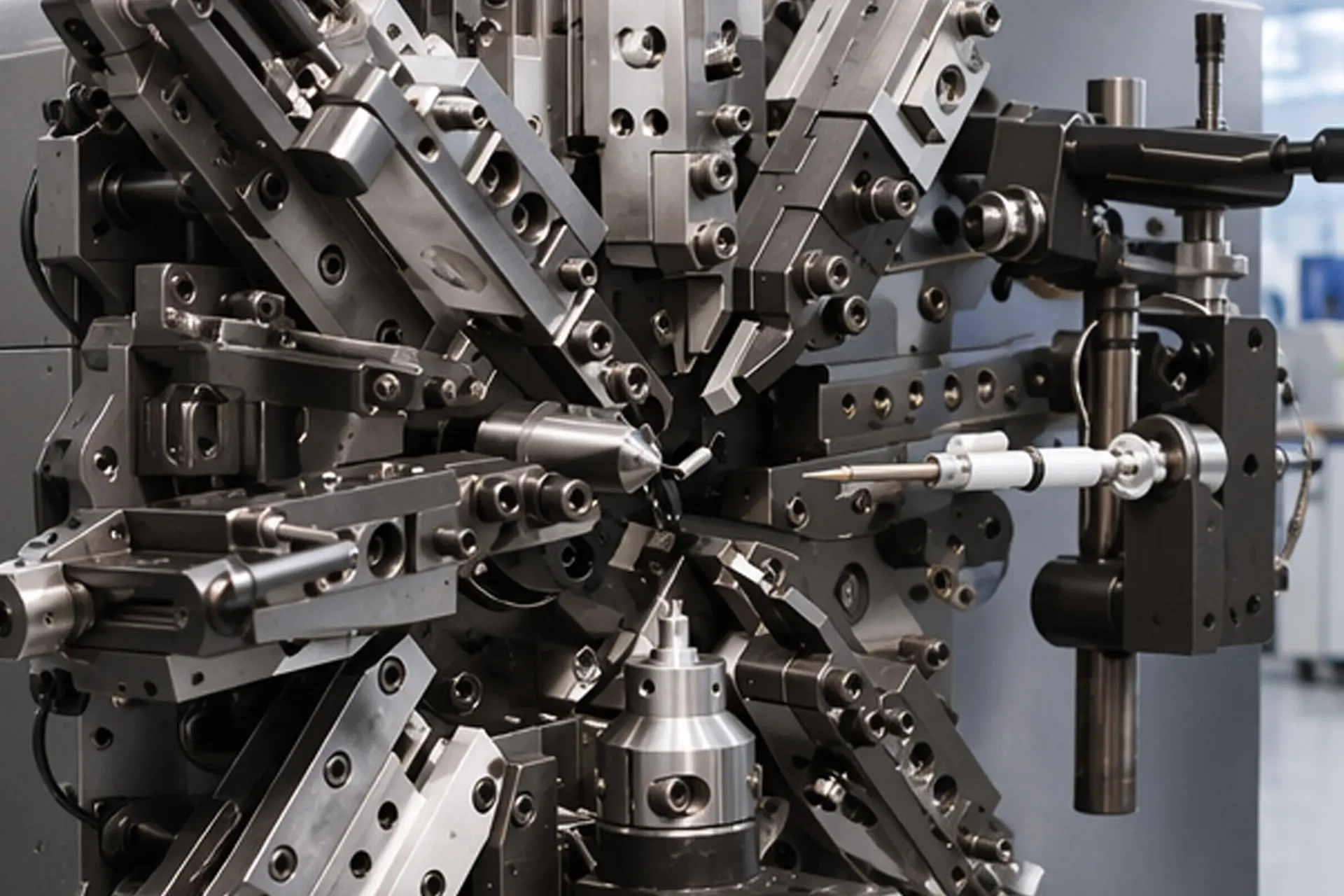
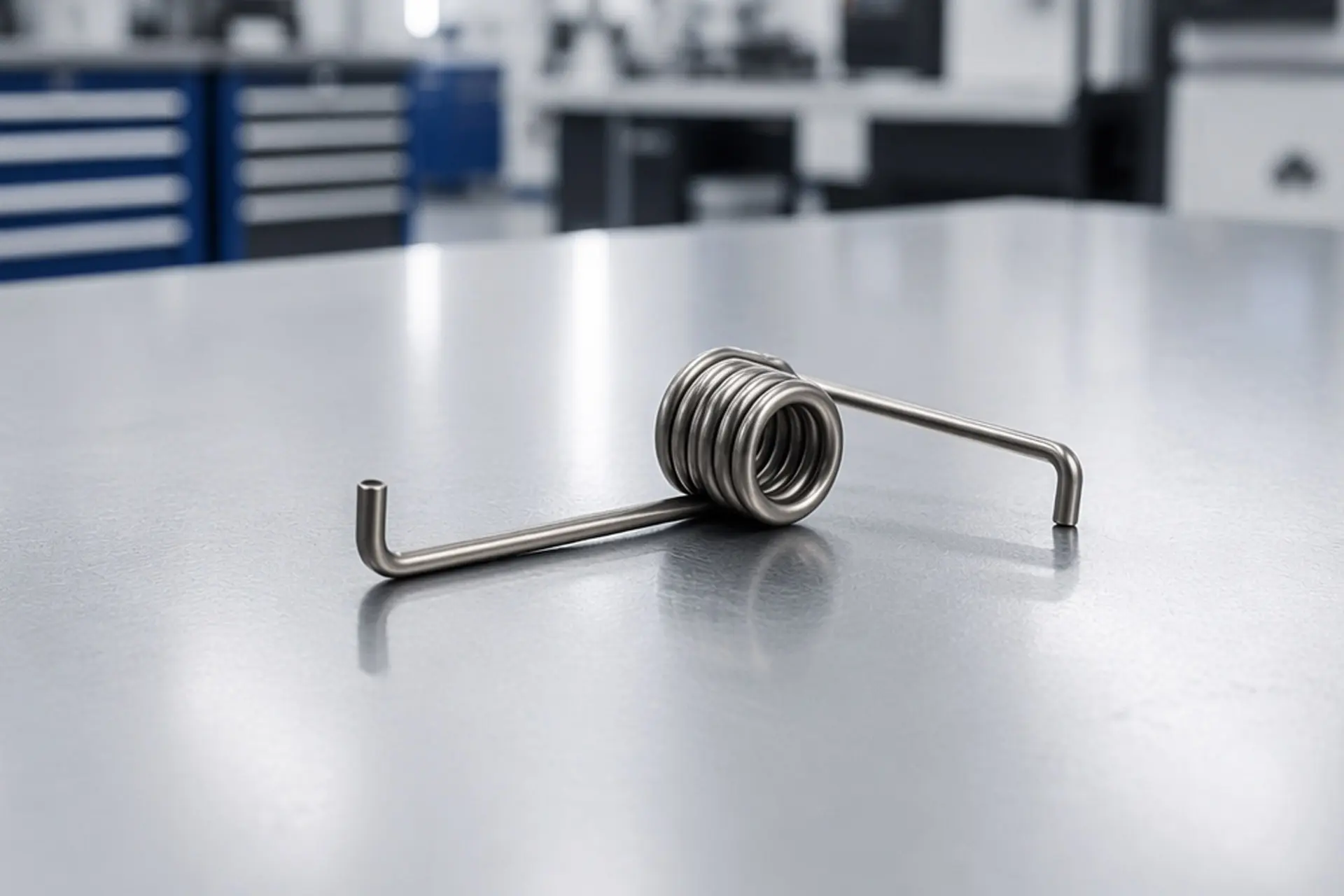
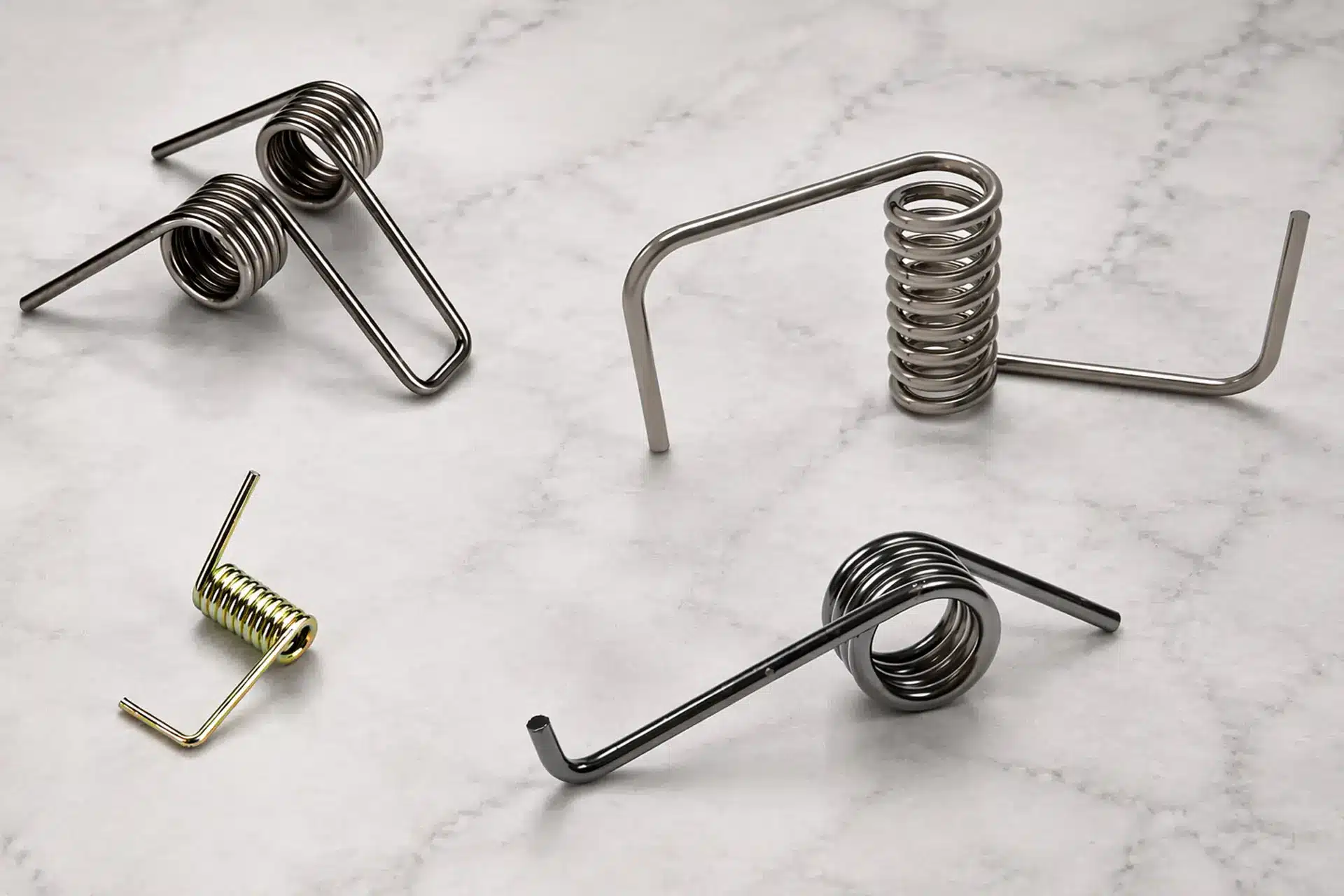
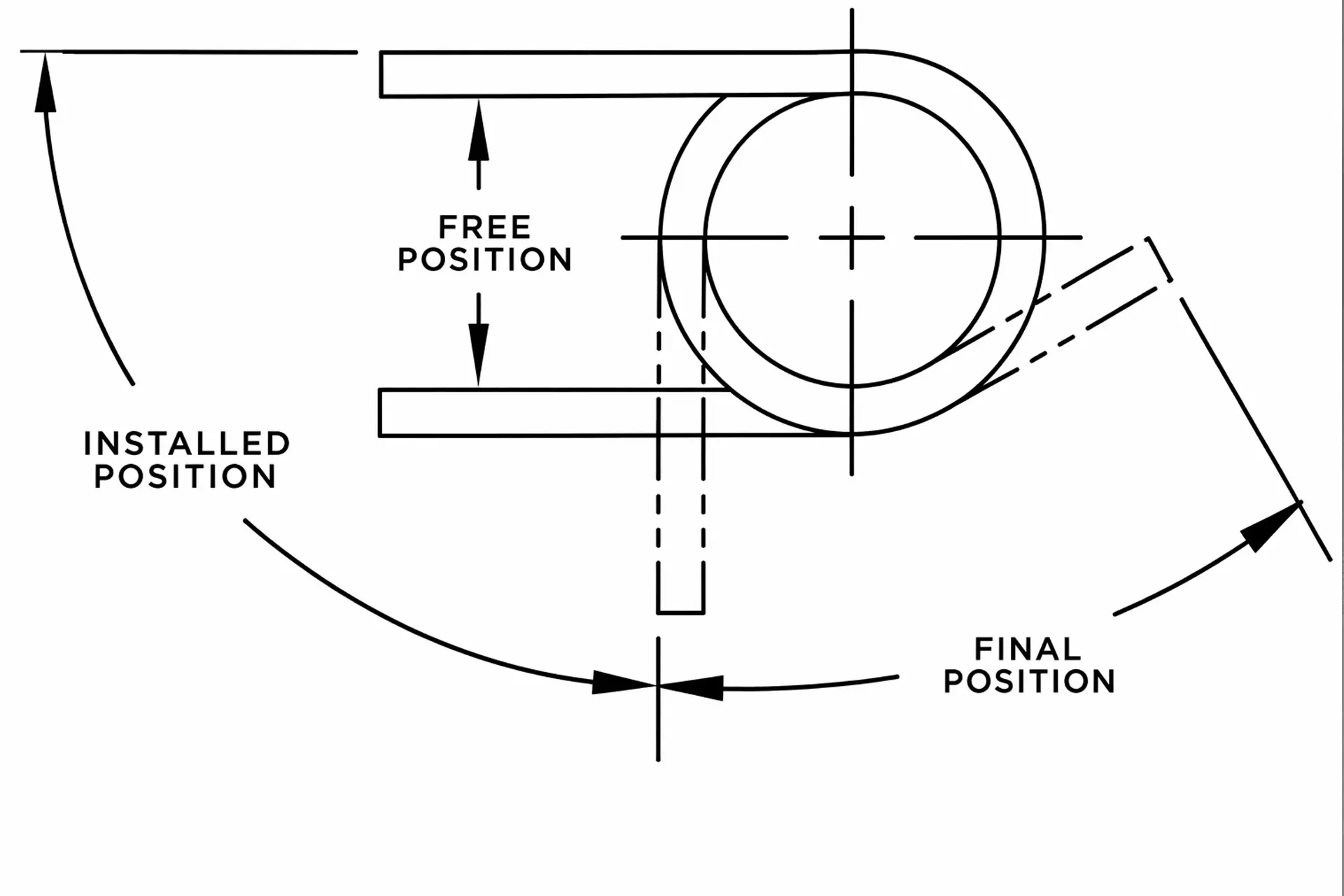
The most common design for a torsion spring is the cylindrical wound design, which consists of a coiled metal wire, in a left- or right-hand, clockwise or anti-clockwise direction and usually has legs, to which a force can be applied.
Torsional springs hold two mechanisms together and their tightness is proportional to the energy stored inside of it. Tension must be removed in order for the spring to release this stored energy.