
Extension springs, commonly known as tension springs, are helical components engineered to store energy and provide resistance to an axial pulling force. Unlike compression springs, which function under pressure, extension springs deflect (lengthen) when a load is applied. They utilize their inherent contracting force to return to their original, tightly-coiled “closed” position once the tension is released.
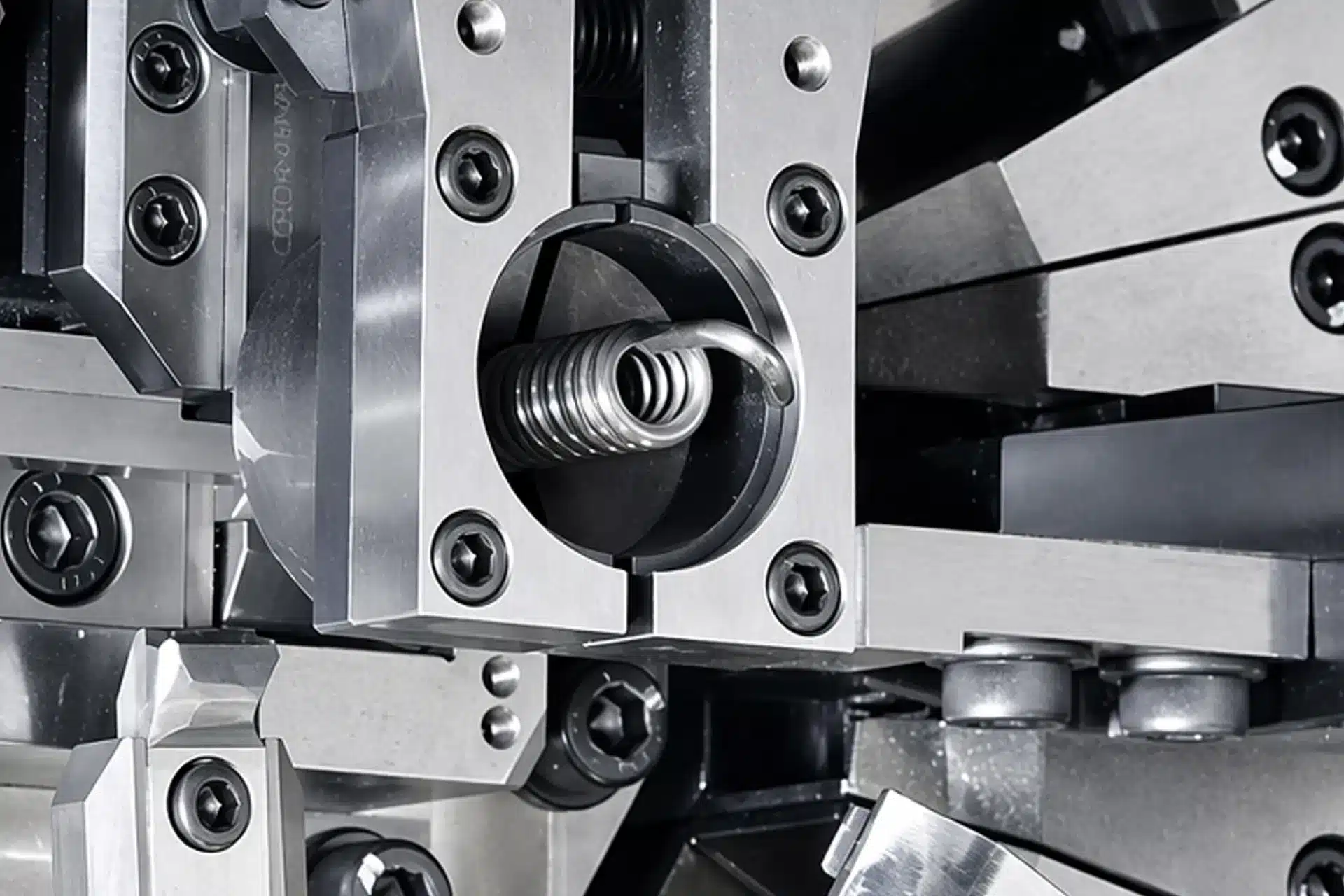
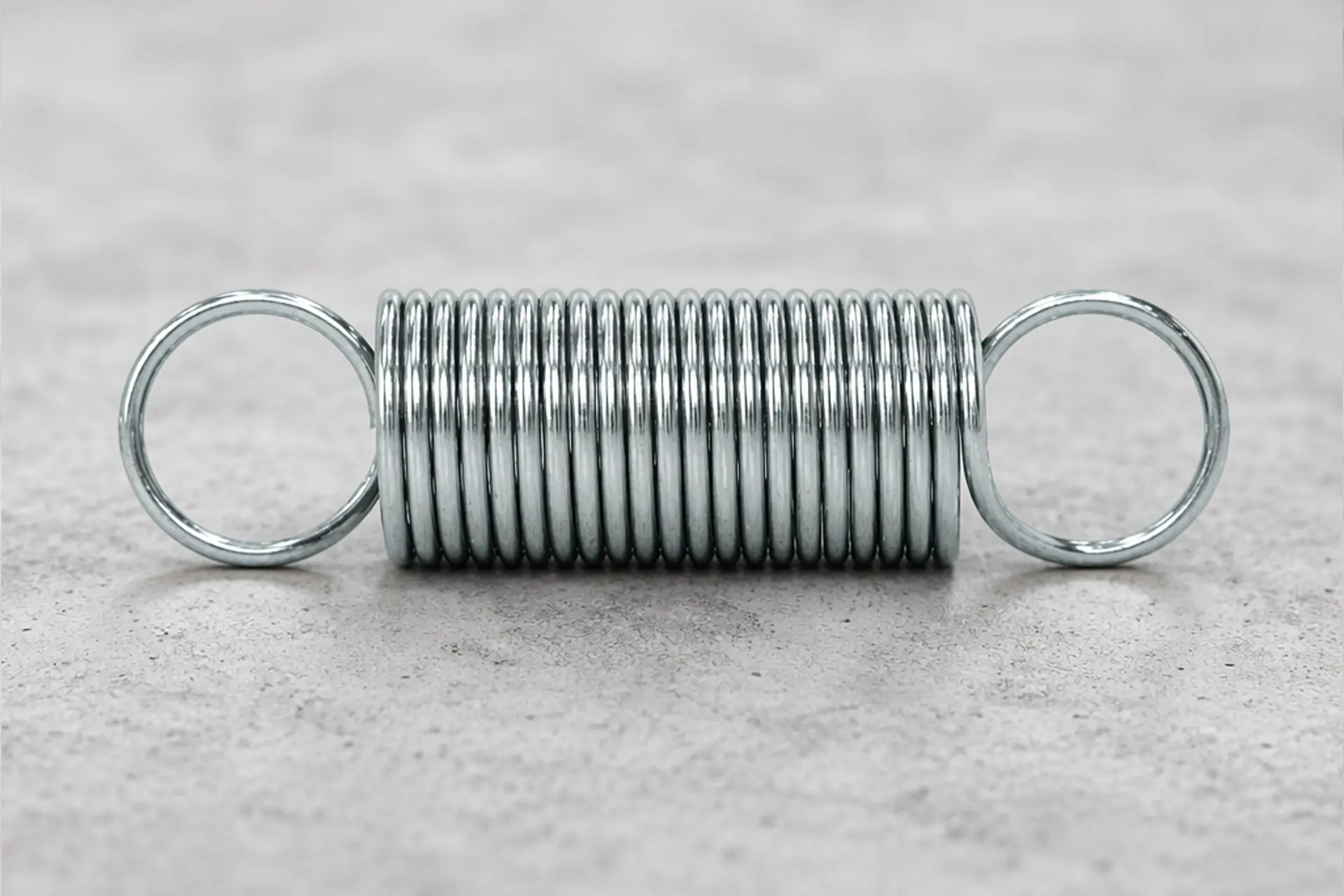
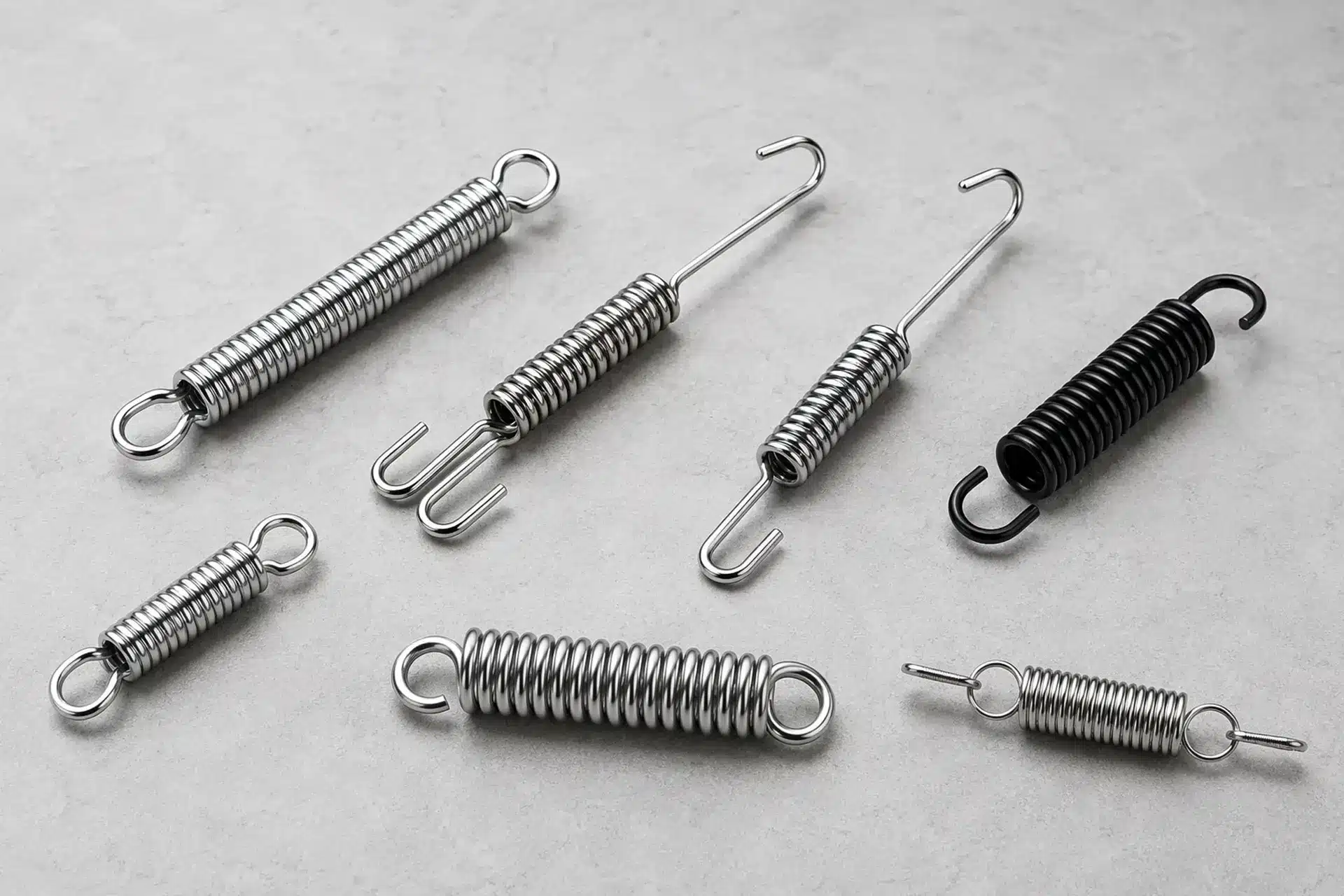
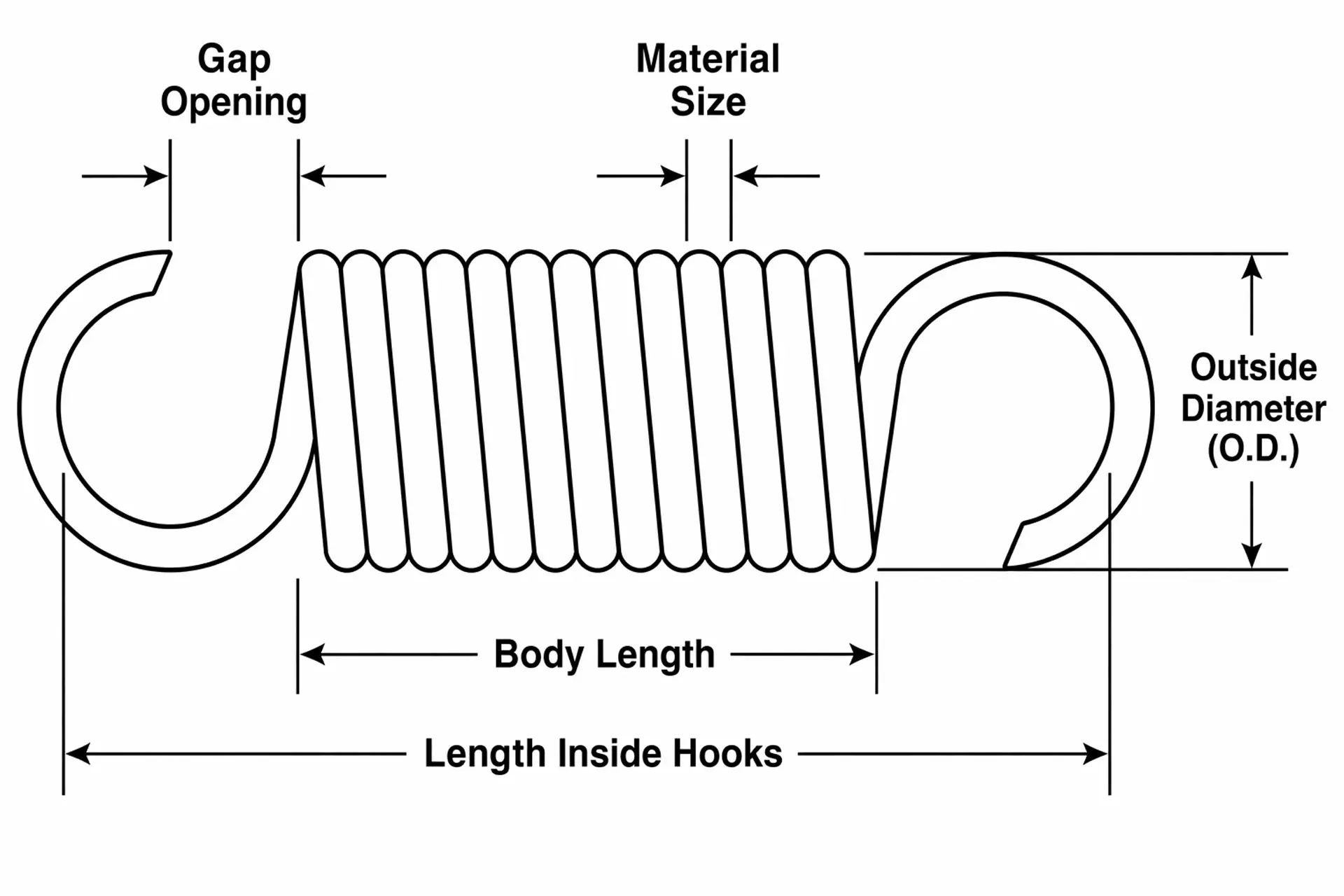
An extension spring is a component that creates a resistance to a pulling force. Extension springs work by trying to pull two objects back together. The attached spring is pulled in opposite directions and the force and the stored energy to pull the two objects back together.
Extension springs have a wide variety of applications including return springs for doors, in washing/drying appliances, agricultural equipment etc. Metrol manufacture tension springs using two main materials, unalloyed spring steel and stainless spring steel.